You worked on VR technology in the 90s, when it was still in its infancy.
I joined an institute of the then GMD (Gesellschaft für Mathematik und Datenverarbeitung) called VisWiz under the direction of Wolfgang Krüger as a student assistant in 1992. There we worked with state-of-the-art hardware such as Silicon Graphics workstations and developed spectacular demos that showed what was technically possible. I had to add sound to a virtual room, which involved a steep learning curve. That was the most intense year of my life. The work was often based on papers by Russian scientists from the 1960s.
“The work was often based on the papers of Russian scientists from the 1960s.”
After the crash on the Neuer Markt, I looked for a more stable job and found it in the IT department of an insurance company. Here I deal with infrastructure design and security issues.
How did you find out about Midjourney and what made you decide to give it a try?
On March 23, I saw the first impressive images created with Midjourney. I just had to try it out because I was fascinated by the possibilities of AI. Since then I have been experimenting with different prompts and techniques to create emotional and visually appealing images. It always makes me nervous when I’m surprised by things that I have no idea what they are. Last year, everything happened in quick succession: the first ChatGPT stories started doing the rounds (I remember an article in the NY Times in which the reporter described how he induced a kind of psychosis in the chatbot and had nightmares afterwards), then this story about someone who won an award with his AI-generated image, and at some point I just had to try it out for myself. The rest is known.
“It always makes me nervous when I get caught out by things and then have no idea.”
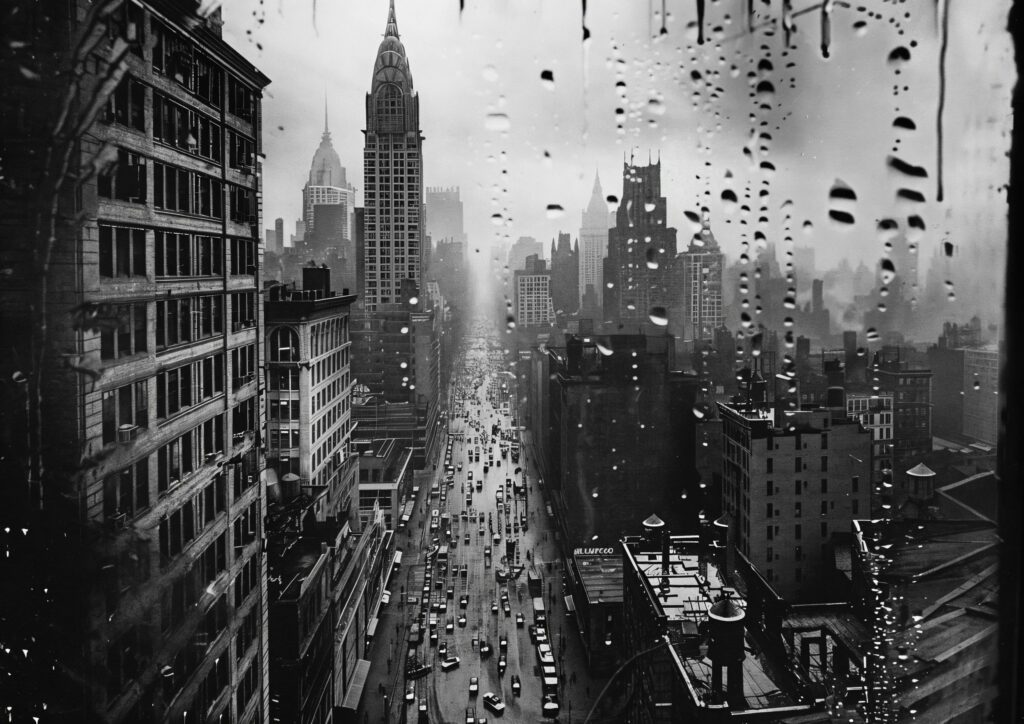


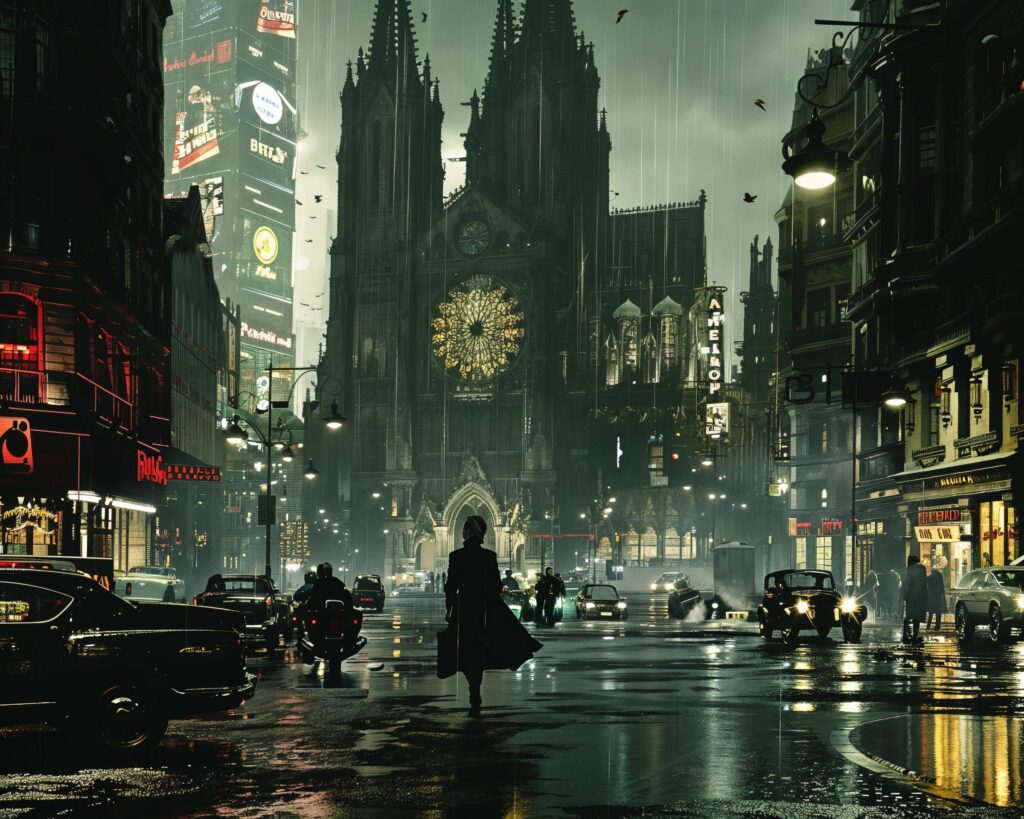
What is more important to you – trying out technical possibilities or the creative process?
If I wasn’t a play child, I would be someone else. I have to pick up what I see, press it, make noises with it, no matter where. The computer is the universal toy for me – not just because of the games, but because it can do everything I want it to do. The creative process (that sounds almost pretentious) happens on the side. If it really captivates me, then I’ll stick with it. Complexity doesn’t put me off, on the contrary. The sad thing is that hardly anyone around me understands this. For most people, the computer is an (often annoying) tool. For me, he is the greatest gift of mankind.
“The computer is the universal toy for me – not just because of the games, but because it can do what I want it to do.”
How do you take a picture? How do you write your prompts?
There are people who write half novels (and sometimes even poems). I admire the fervor, but I believe that this either overloads the AI or lets it slip too far into the approximate. This can lead to aesthetic appeal, but I work differently. I usually imagine what I want to see beforehand and describe it. Then I have a ‘framework’ of terms where I know what style will come out in the end (noir, glamor, ‘particularly beautiful’ niji). Of course, I don’t think too much about it, I never sit at the prompt for more than a minute. The result then determines how I proceed.
Sometimes I just have an abstruse thought or an expression in my head instead of a scene. This sometimes produces good images, but they are usually not reproducible.
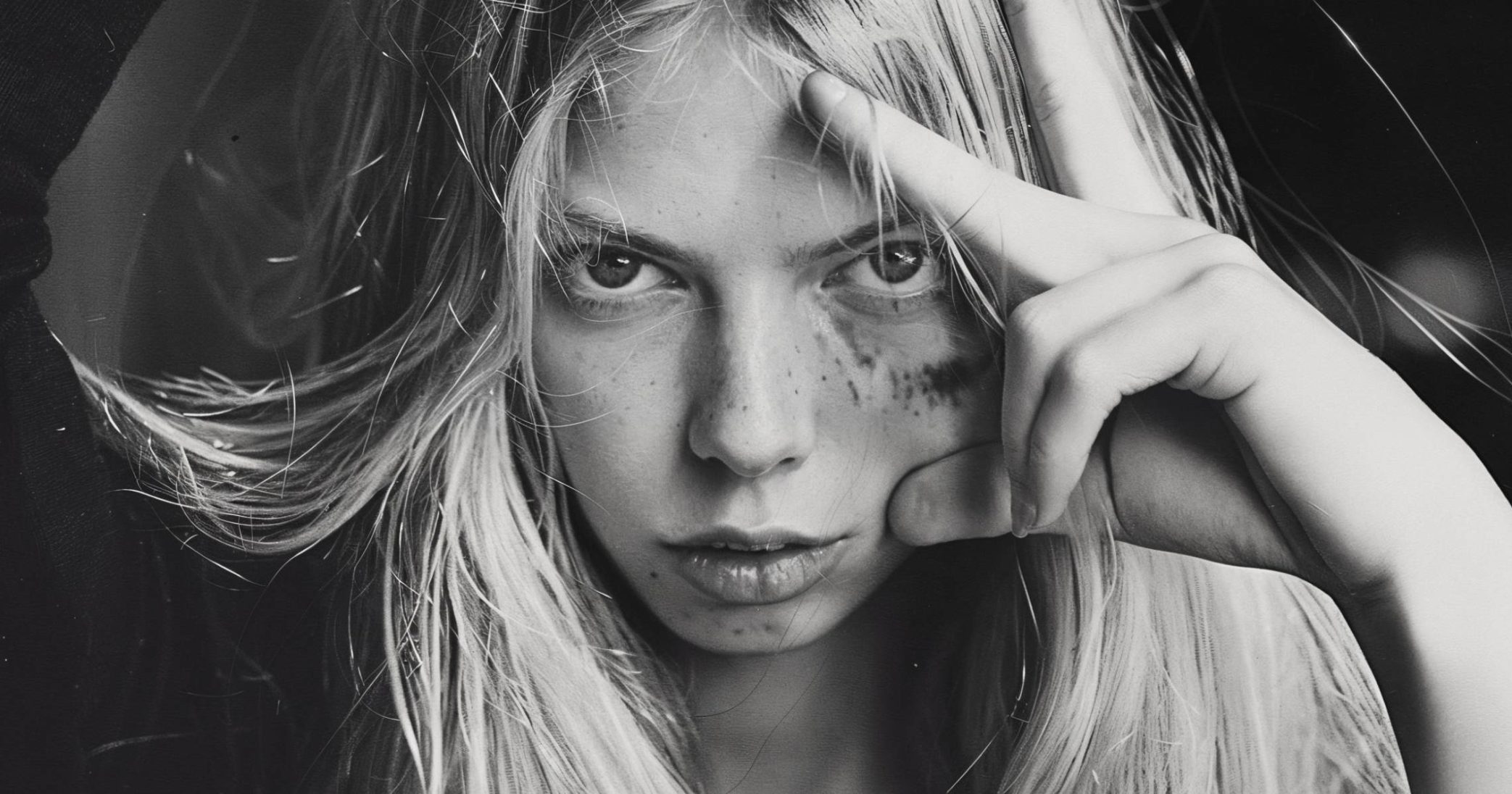
Then it becomes “something is wrong, in the style of Ellen von Unwerth, black and white, blabla…” 😄 I’m not dogmatic about it: I try out what I find or think of and then keep playing. The heroes of the scene are of course extremely helpful with their tutorials or prompting tips.
By the way, my very first prompt in MJ was “construction plan of a zero gravity toilet, black ink on white paper, technical documentation –v 4” And this is what came out of it: I have to say, I didn’t think it was bad at all! 🙂

Another 1st day prompt: “Rejected building design for a J. Edgar Hoover Library, style between Art Deco and Neo-Renaissance.” with this result:
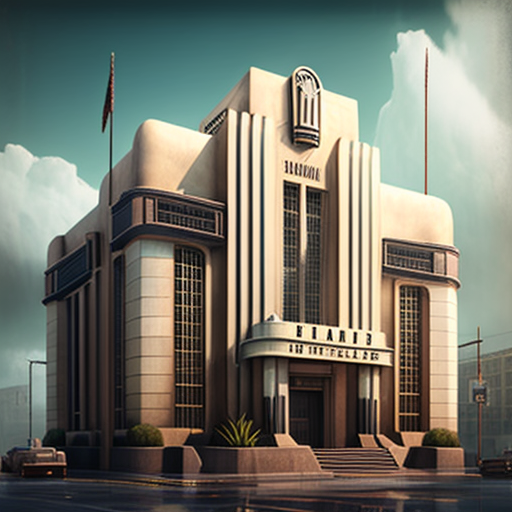
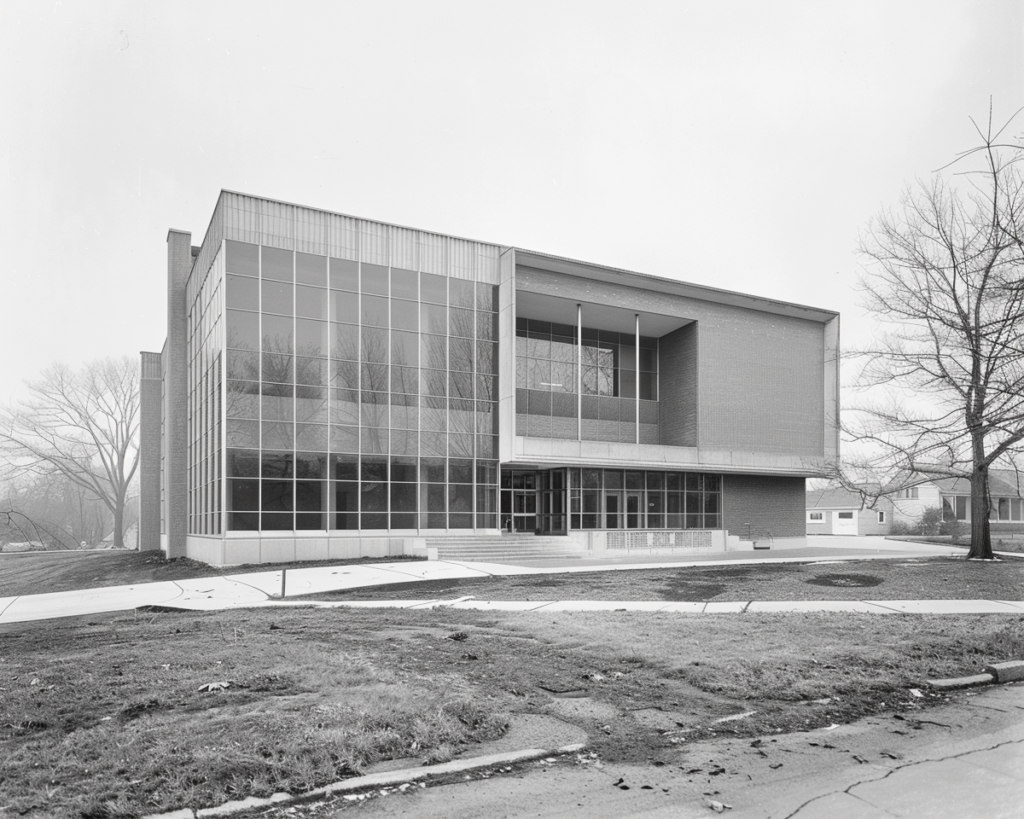
Looks a lot like DALL-E! I revived it a few days ago: “black and white editorial shot, Rejected building design for a J. Edgar Hoover Library, in the style of Art Deco and Brutalism and Neo-Renaissance, 1940s, small town environment, by Lewis Baltz”. That’s better:
Who are the heroes of the scene in your eyes, or where do you watch the tutorials?
Oh, there are so many. I started with
@LudovicCreator, @ai_artworkgen, @Artedeingenio, @techhalla and sharing communities like https://twitter.com/i/communities/1680626562616401920. I follow them on X and of course get to know what’s going on in the scene, but meanwhile @summerinthesim and @bri_guy_ai are my favorites, because they think about community building (Brian) and topics, colors, curating (Summer) in a more fundamental way than just creating pictures. The latter have recently published very good tutorials, see SummerInthesim on X and bri_guy_ai on X.
This seems to be a trend that @kattlatte is following, who also recently posted a tutorial(kattlatte on X) – she’s doing great things with niji. I should tackle that too, let’s see if I have the time.
How do you see the future of AI tools like Midjourney and the role of Sora?
The development of AI is strongly influenced by legal and financial factors. Tools such as Sora could offer innovative possibilities, but are still very resource-intensive. In the long term, the market will continue to develop and democratize, even if access to advanced tools will remain a challenge for many. What I find even more interesting are the really exciting developments that go beyond what is technically feasible: What else can I depict with AI-generated art? What stories do I tell with it? Can I use it to change the way I see and experience things (positively or negatively)? Much is still open. In fact, such questions, which have so far mainly been dealt with in the art scene, will affect the everyday lives of many unsuspecting people who are likely to be taken by surprise by AI art. You should slowly get people to stop believing their eyes, the Pope in Balenciaga was already very instructive for many.
“I now find the really interesting developments about what is technically possible even more interesting: what else can I depict with AI-generated art?”
Deepfake and copyright are really big problems. Do you think there is any way of getting to grips with this?
People act as people always do: even the most beautiful things can turn into shit. The previous solution strategies (regulate, ban, fight) have all been unsuccessful; fortunately! After all, what authority should be allowed to tell me which tools to use? I am not a fan of state regulation because the rules and regulations are often decided in back rooms and often to the detriment of many. A lack of transparency, corruption and hanky-panky in the awarding of licenses and the provision of operating systems often shift the problems further – and in the end someone else simply gets the money.
Let’s take a look at the possible causes of these undesirable developments. On the one hand, we have this rapid technological progress that overwhelms many people: it’s an education problem. Whether the overload consists of switching off the brain and not paying attention to the topic or only perceiving the negative aspects of the topic, it all boils down to the same thing.
The issue of copyright is not as homogeneous as content creators like to make it out to be. The New York Times has filed a lawsuit against OpenAI and says: they are stealing our content. On the other hand, the Times itself apparently uses chatbots to write articles, as was revealed weeks ago when the word “delve” (a reference to ChatGPT texts) appeared. You might find that inconsistent. When it comes to copyright, I also think of the long-running sausage “Publishers against Google”: how many big words were spouted by the publishers, how much politicians tried to make a name for themselves with the ‘European search engine’ – and how much it all failed and they remained dependent on Google. This also falls into the category of educational problems (at least on an individual level), but is ultimately pure politics and a fight for sinecures. As a user/consumer or (individual) content creator, you do not appear in these scenarios.
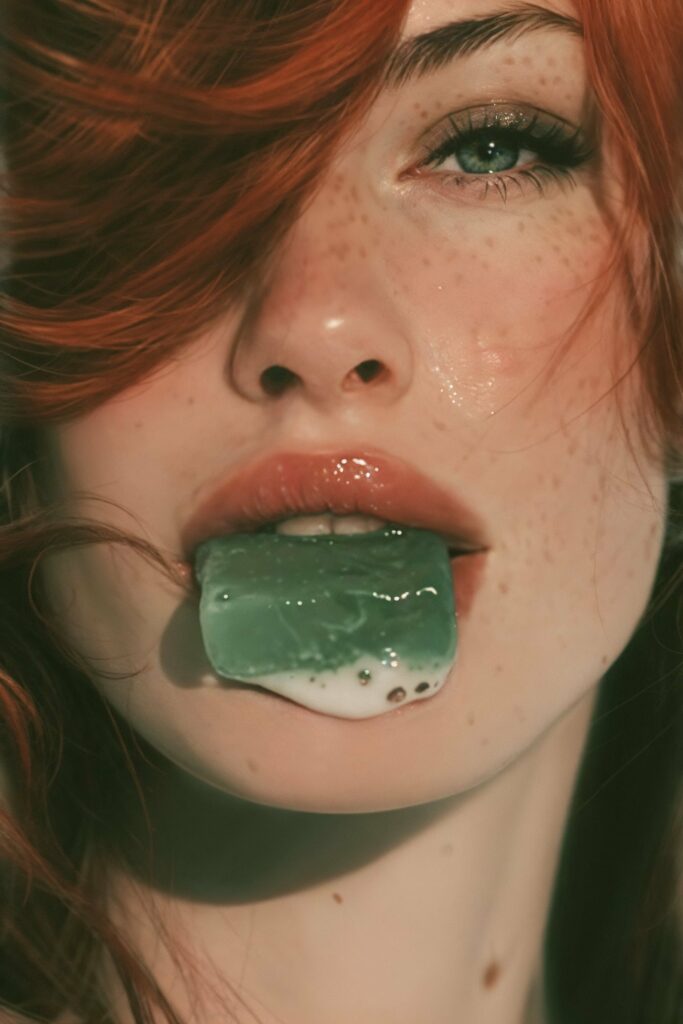

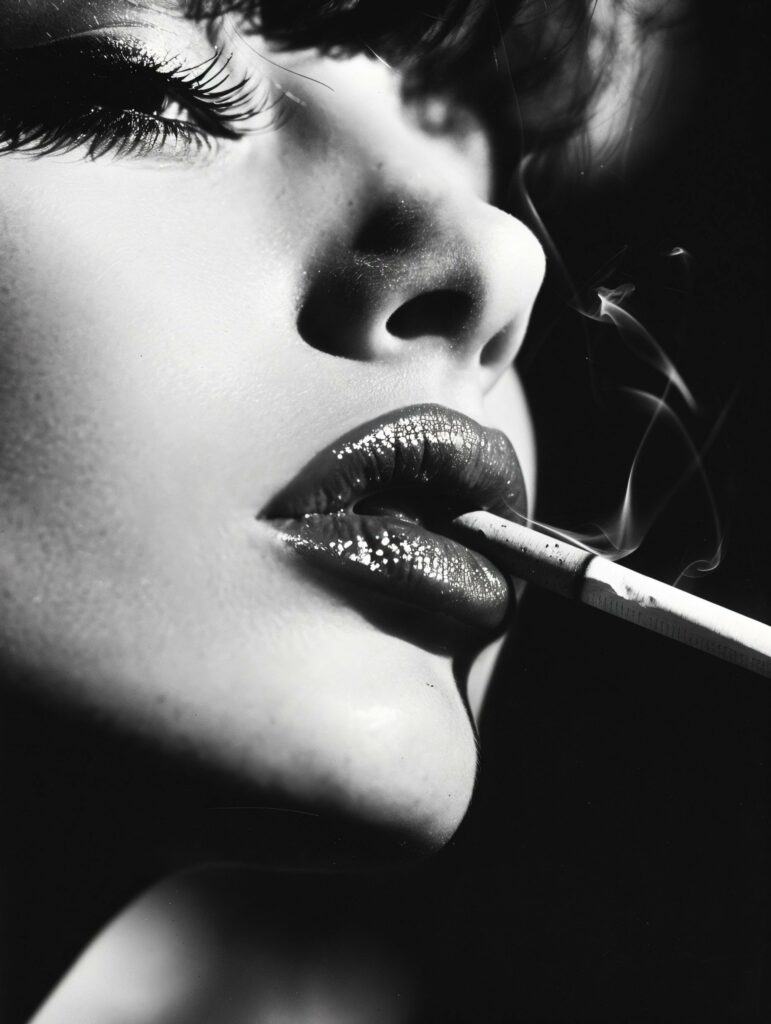
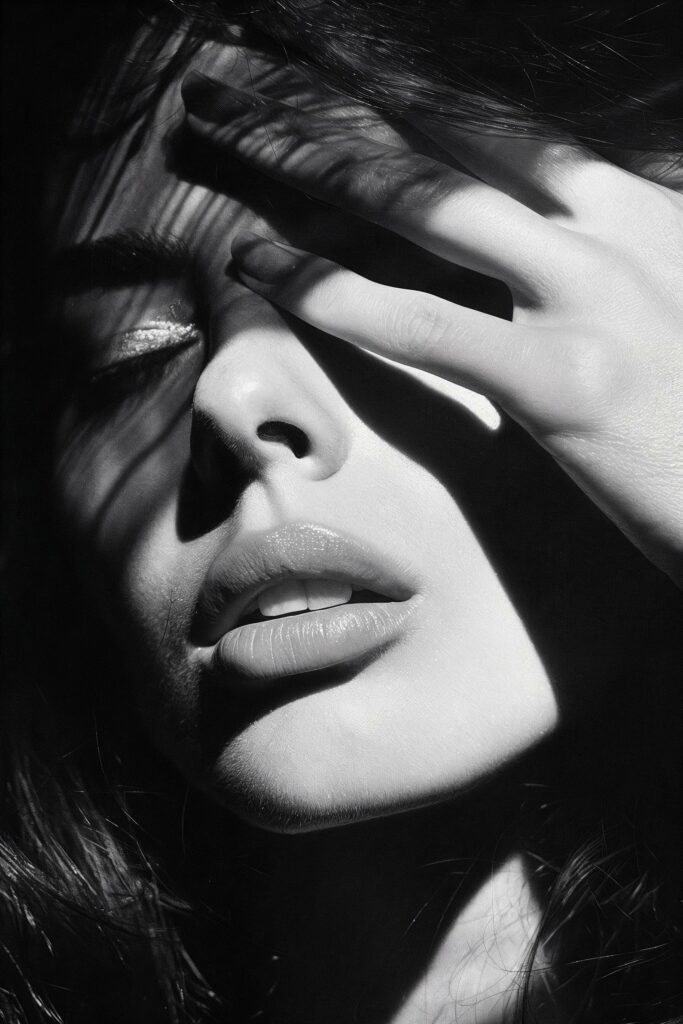
What are your next projects that you want to tackle, or which tools do you want to familiarize yourself with further?
Let’s start with the tools: Stable diffusion is right at the top. I have already tested a few providers, at the moment ThinkDiffusion seems to me to be a good provider, the payment model for their cloud service is understandable. Why SD? Because the censorship at MidJourney is getting on my nerves more and more. It starts with ‘bad’ words or when I use certain words in ‘bad’ contexts and then get a slap on the wrist. I don’t have this stress with SD, even though this software demands much more from you than MJ. Apart from that, I also want to finally make more noise again, fortunately something is happening in the audio sector again. I already thought Suno was very remarkable, udio has gone one better: it’s all quite outstanding (and will certainly soon cause copyright problems for these manufacturers as soon as they have enough drop height). But composition tools such as scalers or the ‘musical scaler’ EQ are also really great things. I always keep my eyes open and jump at anything that lets me play.
Projects are a little more difficult. I once had a project where I built keyboards for my computer myself, but that was engineering and not art. 😄 What’s important to me, apart from honing my own style (I’ll get to that in a moment), is above all getting in touch with others and (more difficult!) keeping in touch. The contact with you, for example, is a result of my work that I am very happy about; it is important for me to have contact with people who have a completely different background to me and are of a completely different age to me. I find this very inspiring and hope that I can also give something back.
When developing my own style, I keep realizing that I don’t have one, at least not visually. I get bored quickly, so I always try something different. But there is one basic theme that always drives me: That is the search for expression.
What do you think of the theory that AI art democratizes the elitist creative process? Is it really the case that anyone can be successful as an artist with tools like Midjourney or Stable Diffusion?
To be honest, I don’t believe that. With Midjourney and similar tools, I always get something appealing, but without a concept, without context and without expression, it is immediately forgotten again. But I believe that art is created above all through its reception. It is not only the artist who makes art, but there is also this consent of the audience that this art exists as such. If this approval is missing, I can feel like an artist no matter how much I like it, it’s just my opinion.
Tools such as MJ or SD do nothing to change this. In the field of generative AI, there is at least the NFT scene and perhaps the follower count as currencies that reflect recognition by the audience. But the lower the value in these currencies, the less likely it is that my subjective attitude ‘what I do is art’ will be confirmed by the public. No matter how democratized it is: If nobody likes my stuff, I’m left alone with my opinion, I’m a king without a country.
The way I’ve understood the art market so far, nothing works without connections anyway. No matter how talented I am and how bubbling over with ideas, nothing works without resonance and the support of patrons and gallery owners. Even MJ doesn’t do this work for me, which is something that is often concealed when people talk about the democratization of art. That’s why I observe this constant struggle of people who want to live as artists to assert themselves in the scene and become known; it must be very exhausting.