Your YouTube channel “JustMovies” grows and grows. But what strikes us at the first glance is that most of the movies have a very mystical, fast-paced genre world to them. Why is this?
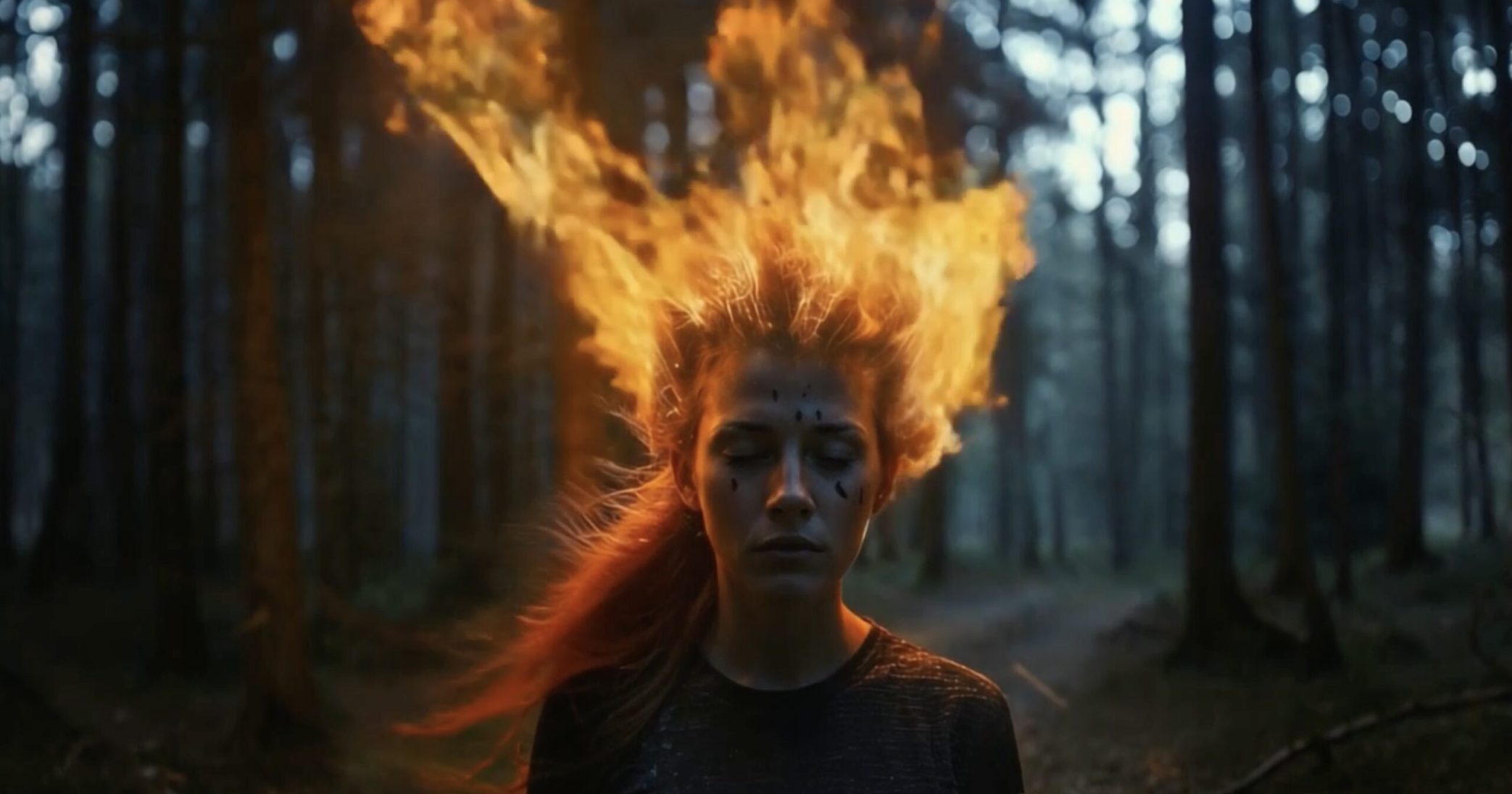
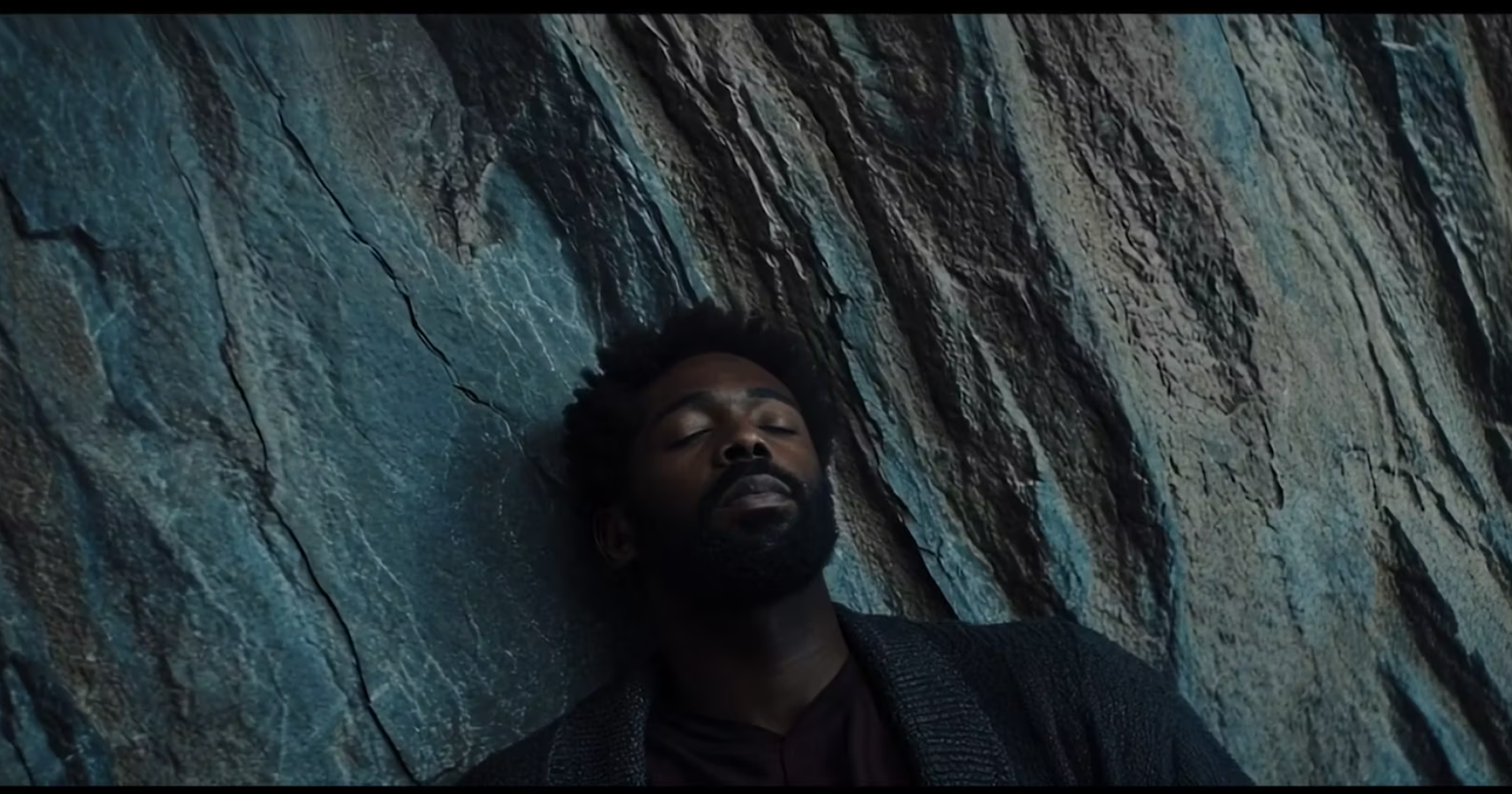
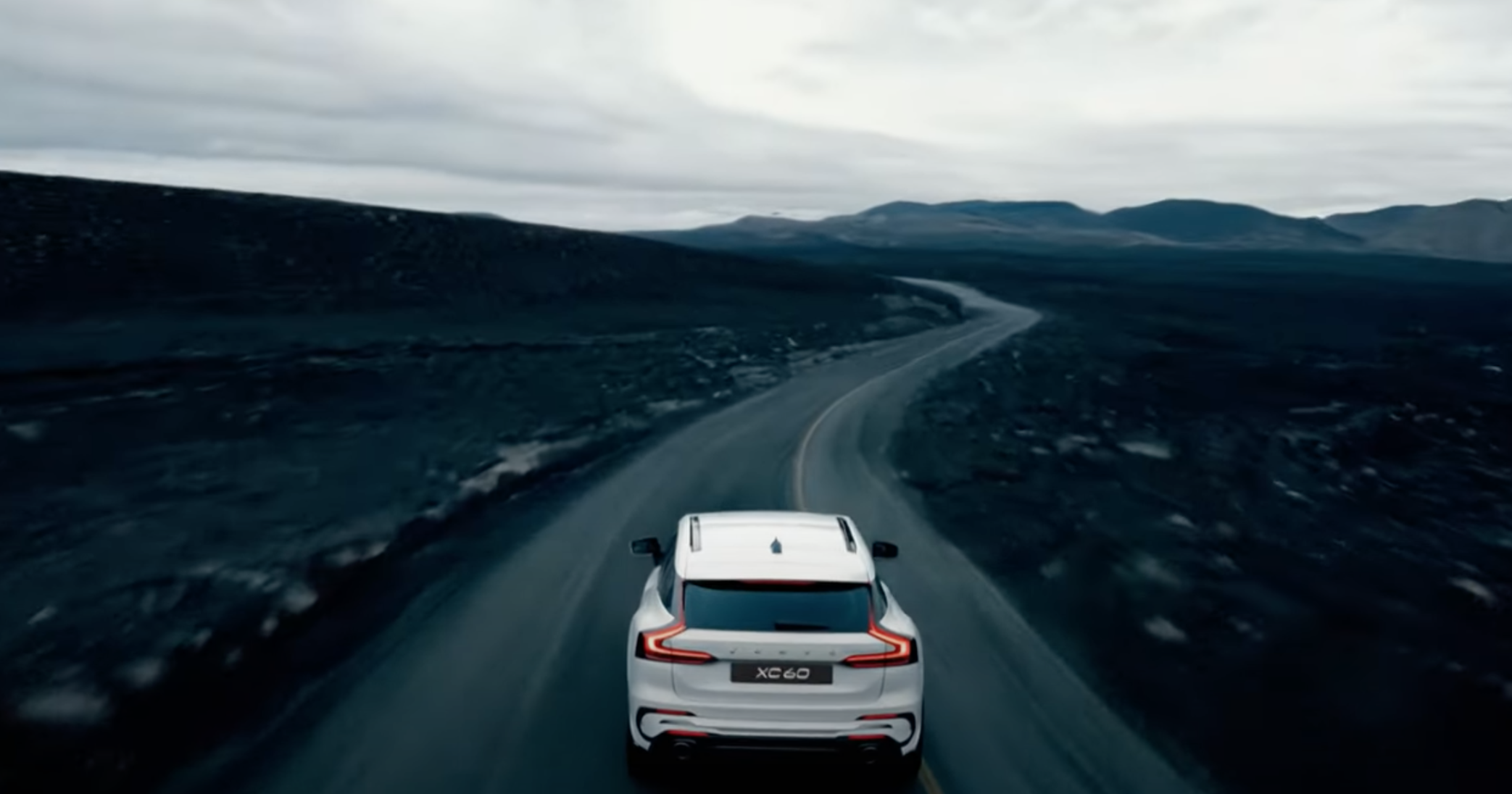
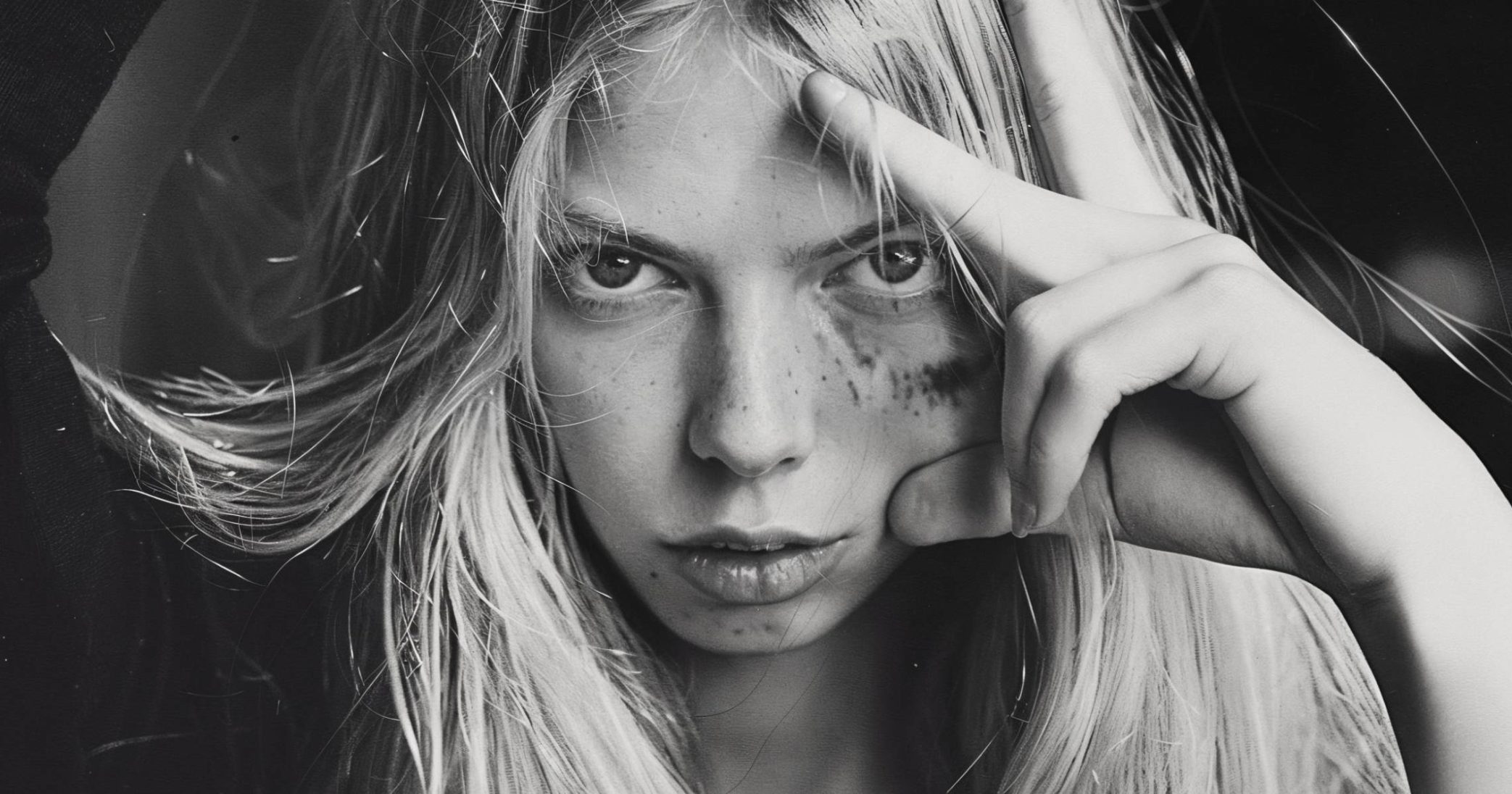
My academic background might not hint at it, but I don’t have much formal experience in filmmaking or cinema. Despite that, I’ve always been a film enthusiast, with a particular soft spot for sci-fi movies. My love for the genre began in the early 2000s when, at around 8 years old, I watched “The Lord of the Rings: The Fellowship of the Ring” with my dad at the cinema. That experience kindled my fascination with sci-fi, a genre that captivates me with its boundless creativity and limitless possibilities. My journey into content creation started somewhat spontaneously with my YouTube channel. Initially, it was just a hobby, something I did in my spare time without any specific goals—kind of a “why not?” project. The release of Midjourney, an AI that could generate images from text prompts, was a game-changer for me. As a sci-fi enthusiast, the ability to bring any imagination to life was like a dream come true. Gradually, I began combining Midjourney’s images with other tools, such as PIKA and Runway, creating short sci-fi concept videos. Surprisingly, these projects resonated with viewers, encouraging me to dedicate more time to this passion. What drives my interest in creating sci-fi content is not just my personal attachment to the genre but also its vastness and the freedom it offers. I revel in the process of turning imaginative concepts into visual stories, something that continues to excite and inspire me.
Do you think the combination of midjourney and runway or pika is the best workflow for moving images?
The process of transforming images into videos has become a popular and effective approach among AI filmmakers. This method is widely adopted due to its straightforwardness and accessibility. Yet, there are other innovative techniques out there for those who possess more advanced technical skills. For instance, there are AI tools designed for image-to-3D conversion, aiding 3D artists in creating characters, environments, and various objects. These creations can later be rendered using powerful software like Unreal Engine or Blender, offering a different dimension of creativity. For the typical AI creator, however, the preferred workflow involves using Midjourney as a starting point, followed by further enhancements and animations through Runway, PIKA, or Leonardo. Each of these platforms has its unique set of features, advantages, and limitations. This standard workflow caters well to the needs and skill levels of most AI content creators, providing a balanced mix of simplicity and potential for creativity.
If you compare your first work from the channel three months ago with your current video “Vikings – Valhalla Calling”, you’ll notice that it’s of a much higher visual quality. How do you get better at prompting?
Absolutely, looking back at my work from just a few months ago, it’s clear how much better it’s gotten. This improvement didn’t just happen; it’s been a mix of getting better at using the tools, especially with Midjourney. I’ve made around 15,000 images with it, learning the best words to use, how to set the camera angle, choose lenses, and get the lighting just right, the better you are at midjourney prompts, the higher quality your images will be. Midjourney is really something special. The tools themselves have gotten better over time too. Midjourney introduced new and improved models, and there have been some great upgrades in image upscaling that make the videos look a lot sharper. A big game-changer for me was getting my workflow down. Once I had that, I looked for ways to make it even better. I even made my own custom GPT to help come up with Midjourney prompts. On top of that, I’ve been working on making my cinematography better and continue to do so. Something I’ve noticed a lot of AI filmmakers might miss is the importance of music and voiceovers. With the technology we have now, just having cool visuals isn’t enough to really grab people’s attention. Good music and narration can make a huge difference. So, the jump in quality comes from a bunch of different things, like getting more skilled, tool improvements, fine-tuning my process, and not forgetting about the audio. At the end of the day, it’s all about learning and keeping up with the latest in tools and AI.
The tools have evolved super fast in 2023. Apart from Sora, do you think many tools will develop this year? Both in terms of quality and handling?
Yeah, there’s been a lot of buzz about Sora and how it’s making people think you can just snap your fingers and produce short films effortlessly. But honestly, we won’t really know what it’s capable of until we dive in and try it out for ourselves, right? Speaking of new developments, I’ve heard that Midjourney is planning to launch their own text-to-video and image-to-video model in the next few months. That’s going to be a huge deal for AI artists.
Since Midjourney’s v6 model is already knocking it out of the park with its balance of image composition and quality, integrating video capabilities is going to streamline a lot of workflows, making Midjourney the go-to for many. On the other side of things, Runway’s GEN2 and PIKA are constantly updating, throwing new features our way every month. It’s really exciting to see how these companies are racing ahead, improving their tech at such a fast pace.
I’m betting that by the end of this year, a lot of the ways we currently do things will be considered old news.
The landscape is going to change dramatically—and for the better, of course. These tools are getting more user-friendly, which is fantastic. But despite that, creating AI content that truly pops and grabs attention is still going to be a challenge. It’s one thing to use these tools, but another to create something that really stands out.
Can you tell us what you’re working on right now? What are your next ideas? Maybe a longer format?
Right now, I’m just diving deep into what these AI tools can do, really testing their boundaries. My current approach involves experimenting with various styles, concepts, and even AI filmmaking techniques. If you take a look at my projects, you’ll notice they’re all pretty different from each other, whether it’s the style or the concept. I believe the AI creative scene is ripe with opportunities right now, and it’s crucial to really get a handle on how these tools work before diving into a bigger project. It’s kind of like learning a sport—you practice and train before you even think about competing. For me, my ultimate aim is to create a sci-fi series. It’s the big league I’m aiming for. But to get there, I need to be sure I’ve mastered the tools available and can use them to produce the highest quality work possible. As a sci-fi enthusiast, working on my own storylines, developing characters, or crafting a short series is the dream. But I want to make sure I can bring those concepts to life on screen in the best way possible. That’s why I’m taking my time to learn and improve. So far, the videos I’ve posted on YouTube don’t go over 2:30 minutes. I’ve found that length hits the sweet spot for keeping viewers engaged. Anything longer tends to lose people’s interest, which I think is partly due to the current limitations of AI in filmmaking. But you never really, know with the pace this tech is advancing maybe I’ll start planning from now.
Oh sorry forgot to mention, I just watched Dune 2 in the cinema. I’m working on a short trailer much like a fan tribute to Dune and my favorite director Denis Villeneuve. I’m exploring new image>video models which have some special movement.
What is your motivation for integrating AI into filmmaking, and how do you envision overcoming common misconceptions about AI in the creative process?
I strongly believe in AI’s potential to enhance creativity, offering novel ways to develop and create stories. There’s often a misconception that AI does everything with a click of a button or a prompt, but AI users actually put in hard work and have to be creative somehow, it just doesn’t work by its own. My venture, is a testament to this belief, exploring how AI can create compelling, innovative content that challenges conventional storytelling norms. My goal is to raise awareness about AI and filmmaking by showcasing its latest development and improvements through my works and inspire many others and who knows maybe open my own studio down the road!